


The Gemstone Guide
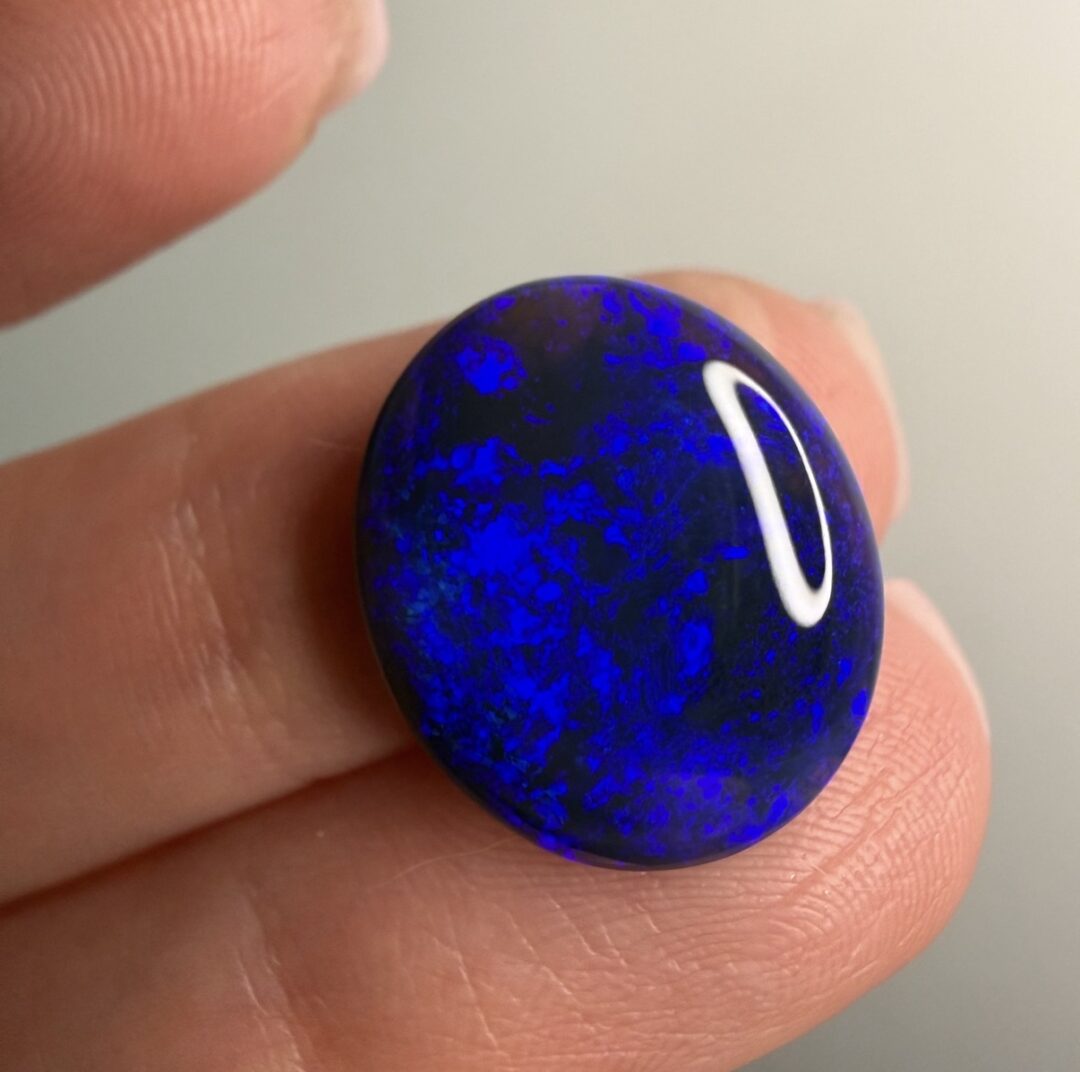
How to Choose the Right Gemstone
Choosing a gemstone is not only about color or beauty — it’s about how the stone fits your lifestyle. Some gemstones are ideal for everyday wear, while others are better suited for occasional pieces. Understanding durability, treatments and natural characteristics helps ensure your jewelry remains beautiful for years to come. A well-chosen gemstone balances aesthetics, practicality and personal meaning.
Mohs Hardness Scale
The Mohs hardness scale measures a gemstone’s resistance to scratching. Stones with a higher rating are generally more suitable for daily wear, especially in rings.
* Mohs 7–10: suitable for everyday jewelry (sapphires, rubies, diamonds, spinel, chrysoberyl)
* Below Mohs 7: best for occasional wear or protective settings
Hardness is one of the most important factors when selecting a gemstone for rings and frequently worn pieces.
Gemstones for Everyday Wear
For daily wear, we recommend gemstones that combine hardness with structural stability. Sapphires, diamonds, spinel and certain quartz varieties are excellent choices, especially when paired with protective settings. Softer stones can still be worn beautifully, but often require more thoughtful design and mindful wear.
Treated vs Untreated Stones
Many gemstones on the market undergo treatments to enhance color or clarity. These treatments are widely accepted within the jewelry industry provided they are disclosed. Untreated stones are rarer and often more valuable, but treated gemstones can still offer exceptional beauty and durability when properly selected.
Common Gemstone Treatments
Some of the most common treatments include:
* heat treatment (common for sapphires and rubies)
* oil or resin filling (emeralds)
* diffusion treatment
* irradiation
Understanding these treatments allows you to make informed decisions and properly care for your jewelry.
Birthstones by Month
Many people choose gemstones linked to their birth month or personal milestones, adding a layer of tradition and meaning to their jewelry choices.
* January — Garnet
* February — Amethyst
* March — Aquamarine, Bloodstone
* April — Diamond
* May — Emerald
* June — Pearl, Alexandrite, Moonstone
* July — Ruby
* August — Peridot, Spinel
* September — Sapphire
* October — Opal, Tourmaline
* November — Topaz, Citrine
* December — Tanzanite, Turquoise, Zircon
How to Choose the Right Gemstone
Choosing a gemstone is not only about color or beauty — it’s about how the stone fits your lifestyle. Some gemstones are ideal for everyday wear, while others are better suited for occasional pieces. Understanding durability, treatments and natural characteristics helps ensure your jewelry remains beautiful for years to come. A well-chosen gemstone balances aesthetics, practicality and personal meaning.
Mohs Hardness Scale
The Mohs hardness scale measures a gemstone’s resistance to scratching. Stones with a higher rating are generally more suitable for daily wear, especially in rings.
* Mohs 7–10: suitable for everyday jewelry (sapphires, rubies, diamonds, spinel, chrysoberyl)
* Below Mohs 7: best for occasional wear or protective settings
Hardness is one of the most important factors when selecting a gemstone for rings and frequently worn pieces.
Gemstones for Everyday Wear
For daily wear, we recommend gemstones that combine hardness with structural stability. Sapphires, diamonds, spinel and certain quartz varieties are excellent choices, especially when paired with protective settings. Softer stones can still be worn beautifully, but often require more thoughtful design and mindful wear.
Treated vs Untreated Stones
Many gemstones on the market undergo treatments to enhance color or clarity. These treatments are widely accepted within the jewelry industry provided they are disclosed. Untreated stones are rarer and often more valuable, but treated gemstones can still offer exceptional beauty and durability when properly selected.
Common Gemstone Treatments
Some of the most common treatments include:
* heat treatment (common for sapphires and rubies)
* oil or resin filling (emeralds)
* diffusion treatment
* irradiation
Understanding these treatments allows you to make informed decisions and properly care for your jewelry.
Birthstones by Month
Many people choose gemstones linked to their birth month or personal milestones, adding a layer of tradition and meaning to their jewelry choices.
* January — Garnet
* February — Amethyst
* March — Aquamarine, Bloodstone
* April — Diamond
* May — Emerald
* June — Pearl, Alexandrite, Moonstone
* July — Ruby
* August — Peridot, Spinel
* September — Sapphire
* October — Opal, Tourmaline
* November — Topaz, Citrine
* December — Tanzanite, Turquoise, Zircon